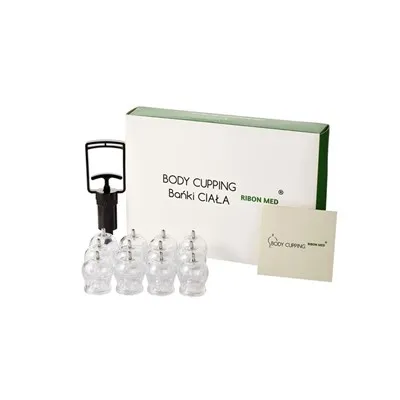
As a classic representative of external treatment methods in Traditional Chinese Medicine (TCM), cupping has been tested and proven over thousands of years. Thanks to its unique theoretical and practical characteristics, it continues to thrive in the modern healthcare system. Its advantages lie not only in the stability and gentleness of its effects but also in its wide applicability and accessibility, providing a simple and effective intervention for various health problems.
The primary advantage lies in its holistic and comprehensive treatment philosophy. Based on meridian theory and the theory of Qi and blood, cupping stimulates the flow of Qi by creating negative pressure at specific points on the body surface, thereby regulating the functions of the internal organs. Unlike simple symptomatic treatment, it emphasizes the coordination of functions from local to systemic levels. It can alleviate pain while improving internal imbalances, aligning with the TCM principle of "treating the root cause of disease," making it particularly suitable for long-term conditioning of chronic strain, functional disorders, and sub-health conditions.
Secondly, the physical mechanism of cupping is clearly defined, and its therapeutic effects are highly reproducible. Negative pressure promotes local capillary dilation, creating a beneficial process of congestion and absorption, accelerating the clearance of metabolic products and inflammatory substances, and improving microcirculation and tissue nutrition. Some methods are accompanied by a warming effect, which can warm the meridians, dispel cold, and remove dampness, making it particularly effective for conditions caused by cold and dampness obstruction. Modern research has also confirmed that cupping can induce the release of endorphins, increase the pain threshold, and inhibit inflammatory signal transduction, thus showing reliable effects in analgesia and anti-inflammation.
Thirdly, cupping offers diverse operation methods and wide applicability. Traditional fire cupping, water cupping, and bamboo cupping continue the essence of ancient methods, while modern air cupping and suction cupping improve safety and convenience. Techniques such as stationary cupping, sliding cupping, flash cupping, and bloodletting cupping can be flexibly selected according to the condition and constitution, achieving individualized treatment plans. Its application scope covers various conditions such as muscle and bone pain, respiratory discomfort, digestive system disorders, and low immunity, and the risk of side effects is low under professional guidance.
Fourthly, cupping has significant advantages in simplicity, convenience, affordability, and effectiveness. The equipment is simple in structure, cost-effective, and easy to promote in primary healthcare, rehabilitation institutions, and even home healthcare, thus facilitating the expansion of high-quality health services.
In today's increasingly diversified health needs, cupping, with its holistic approach to multi-target regulation, clear physiological effects, flexible treatment methods, and economical and practical characteristics, demonstrates the contemporary advantages of traditional Chinese medicine's external treatment methods, providing strong support for building an efficient and inclusive health service system.