A product catalogue can answer important first questions. It can introduce categories, show available options and give a buyer a basis for further discussion. For an experienced importer, distributor, sourcing manager or product manager, however, catalogue information may be only the beginning of product evaluation.
When buyers can observe and handle products directly, the conversation can become more specific. They can look at visible details, discuss how components are constructed, consider how a product operates during handling and explain the requirements of their own market. The supplier, in turn, can listen, clarify questions and understand which details require further information.
This kind of exchange does not prove product performance or supplier suitability on its own. It does show why TCM product sourcing can benefit from a discussion that connects product information with practical observation and clear communication.

Why Direct Product Evaluation Matters
An experienced buyer may arrive with more than a list of product names. The evaluation may need to consider how a product is presented, how its visible construction relates to the buyer's requirements, which details can be checked directly and which questions still require documentation or follow-up.
Direct product evaluation can support that process in several ways.
First, observation provides context. A photograph or specification line cannot always show every visible detail that becomes apparent during handling. Looking at a product in person can prompt more precise questions about its form, components, presentation and operation.
Second, handling can make a sourcing discussion more practical. Instead of speaking only in broad terms, the buyer and supplier can focus on what was observed with the specific items in front of them. That does not turn an observation into technical proof, but it can help both parties identify what matters and what should be verified.
Third, direct communication helps connect product questions with market requirements. Buyers may work with different product ranges, customer expectations and commercial priorities. A useful conversation therefore starts with the buyer's requirements rather than assuming that one feature or one evaluation method applies to every market.
The value is not simply that a meeting took place. The value comes from making the discussion specific enough to improve mutual understanding.
Product Evaluation During the Visit
During a recent visit to RightBest Medic, a Jordan-based customer with over ten years of experience importing TCM wellness equipment evaluated and discussed several product categories with the team.
The visit offered a practical example of how product details, handling observations and buyer-supplier communication can come together. The points below describe what received attention during this meeting. They are visit-specific observations and discussion topics-not comparative tests, verified specifications or claims about how every buyer evaluates products.

Plastic Cupping Cups

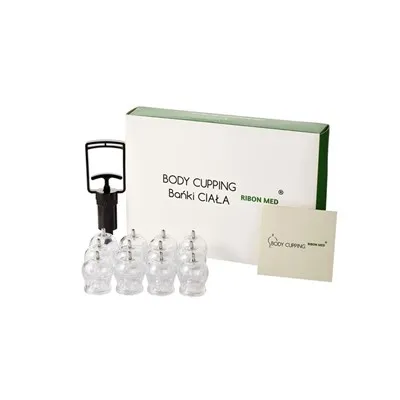
During the evaluation, attention was given to the smooth rim and the transparent cup body. The participants also observed no visible impurities in the cup body during this handling session.
The discussion then moved beyond appearance. It included the internal sealing component and the suction observed during handling. These points helped make the conversation more concrete: the buyer and the RightBest Medic team could discuss visible construction and operation using the product in front of them.
These observations remain limited to this visit. They do not establish a material grade, quantified suction level, superior sealing, comparative performance, safety, durability or suitability for a particular use. For a professional buyer, they can instead prompt the next questions: What information is available for the exact product? Which requirements apply in the target market? Which details need documentary or technical confirmation?
RIBON MED Acupuncture Needles
For the RIBON MED acupuncture needles reviewed during the visit, the discussion included tip sharpness and the flexibility and toughness of the needle body.
Those topics illustrate why a category name and size listing may not cover every question raised during evaluation. A professional buyer may also want to understand how the actual item is presented, what can be observed during product review and which supporting information is available for the exact model under consideration.
In this case, the discussion remained at the level of the visit. It does not support claims about painless insertion, clinical performance, safety, sterility, sterilisation, certification, regulatory status or superiority over other acupuncture needles. Those subjects require separate, product-specific evidence and appropriate review.
Suction Pump
The suction pump was evaluated during the visit. Its operation was observed as smooth, and its internal construction and materials received positive feedback.
This was a practical discussion point rather than an engineering or durability assessment. No quantified suction, service-life, comparative-strength or material-specification conclusion can be drawn from the visit. What the exchange demonstrates is more limited: operating a product and discussing its construction can help a buyer formulate clearer questions than a catalogue image alone.
What This Visit Suggests About Buyer Evaluation
One customer visit cannot define a universal procurement process. Buyers may work in different markets, sell through different channels and apply different commercial, professional or regulatory requirements.
The meeting nevertheless suggests a useful evaluation pattern. A product discussion may consider several connected layers:
- Product information: What does the catalogue or supplier information state?
- Observable details: What can be seen in the actual item being evaluated?
- Handling and operation: What questions emerge when the product is handled?
- Construction discussion: Which components or materials need clarification?
- Market requirements: What must be confirmed for the buyer's intended market and product range?
- Supplier communication: Are questions understood clearly, and are open points recorded for follow-up?
This is a proposed discussion framework, not a universal checklist. Its purpose is to help a professional buyer move from a broad product inquiry to more precise evaluation questions.
For suppliers, the same framework creates a responsibility to distinguish carefully between what was observed, what is documented and what remains unknown. Clear limits can be as important as clear answers. They reduce the risk of turning a positive meeting observation into an unsupported product claim.
From Product Evaluation to Supplier Trust
Supplier trust is rarely created by one specification or one meeting. It develops through repeated, accurate communication and a shared understanding of requirements.
During this visit, the product discussion gave both sides a practical basis for communication. Following the evaluation, RightBest Medic received positive feedback from the customer. The customer placed orders and expressed interest in building long-term cooperation with RightBest Medic.
These outcomes describe this specific visit. They are not a guarantee of future cooperation, an endorsement of every RightBest Medic product or proof of product performance. Their relevance lies in the process that preceded them: the customer could observe and discuss product details, while the RightBest Medic team could listen to questions and better understand the customer's sourcing context.
For an importer or distributor, this kind of exchange can help reveal whether further discussion is worthwhile. For a supplier, it can clarify which information, samples, documents or follow-up questions may be important. Neither side needs to force an immediate conclusion. A stronger working relationship can begin with accurate product discussion and transparent communication.
Conclusion
Experienced TCM buyers may evaluate more than the material name, product category or headline specification. They may also consider visible details, handling, construction, operation, documentation needs and the quality of supplier communication.
The RightBest Medic visit provides one practical example. Plastic cupping cups, RIBON MED acupuncture needles and a suction pump each prompted different observations and questions. The broader lesson is not that every buyer should follow the same method. It is that direct evaluation can turn a general sourcing conversation into a more focused discussion about actual requirements and open verification points.
For buyers comparing an acupuncture needles supplier, a cupping products supplier or a broader TCM equipment supplier, the next useful step is to define what must be observed, documented and confirmed for the intended market.
Looking for a TCM product partner for your market? Discuss your sourcing requirements with RightBest Medic.